In 1976, a small group of locals came together with a simple idea: create a place where the community could gather, share their skills and creativity, and celebrate the things they made, grew and produced.
What began as a humble village market soon became much more than that. It became a meeting place for people from across the local community – a place to catch up with friends and neighbours, discover local produce and handmade goods, share stories, and enjoy the simple pleasure of coming together.
From the very beginning, the markets were about community. The founders wanted to create somewhere that belonged to the community, where people could participate rather than simply pass through. It was a place where skills could be shared, local produce could be celebrated and people could support one another.
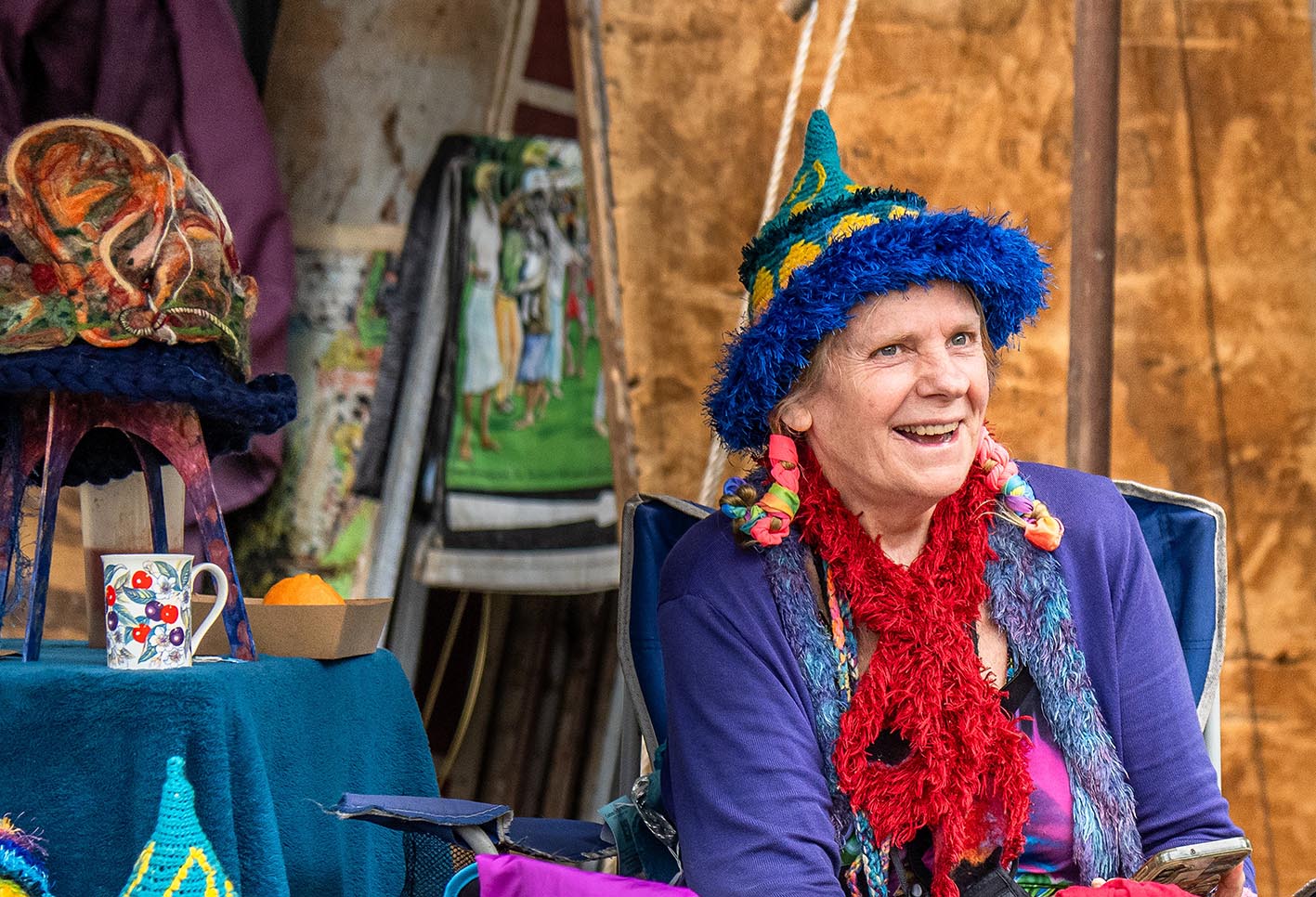
For the people who started the markets, the idea was simple but important. They provided a space for local growers, makers, artists, craftspeople, musicians, and small producers to share what they did and connect directly with the people around them.
The market stalls reflected the character of the region: home-grown produce, handmade creations, fresh food, plants, crafts and all kinds of things made with care and imagination.
Over time, the markets became a regular part of local life. What may have started with only a small number of stalls grew into a much- loved gathering that brought together people from all walks of life. There was something particularly special about the atmosphere of those early markets.
They were not simply places to buy things. They were places to meet people. Conversations happened naturally between stalls, friendships were formed and local stories were exchanged. People came not only for what was on the tables, but for the sense of connection that surrounded the whole event.
The markets also became an important part of the region’s local economy. For stallholders, the markets provided an important opportunity to establish a customer base, test new products, build a reputation and earn an income directly from their work. For many small and emerging businesses, the market offered a valuable place to start and grow.
Their economic benefits extended far beyond the market itself. By attracting visitors to the area, the markets helped support local businesses, accommodation providers, cafés, service providers, growers, producers and other enterprises. Visitors who came for the market often spent money elsewhere in the region, creating a valuable flow-on effect for the wider community.
The markets also provided an opportunity for people to share knowledge and skills that might otherwise have remained within families or small circles.
Growing food, preserving produce, making things by hand, creating art and crafts, cooking, gardening and other practical skills were all part of the culture of the markets.
In this way, the markets helped celebrate the knowledge and creativity that existed within the local community. As the years passed, the markets continued to evolve while retaining the spirit with which they began. New stallholders joined those who had been there from the early days, and new generations of families became part of the market community.
Many people involved in the markets also cared deeply about the natural environment around them. Some would later become involved in efforts to protect the forests and country of the Nightcap, helping to build the community movement that contributed to the protection of what is now Nightcap National Park.
The strength of the market community was tested over the decades. The devastating fires that affected the region brought significant challenges, with disruption to local businesses, fewer visitors and uncertainty for many of the people who relied on the markets for their livelihoods.
Then, in 2022, the region was hit by a major flood, creating another enormous setback. The flood had a profound impact on the wider community and placed considerable financial pressure on the market and its stallholders. In its aftermath, more than 100 stalls were lost for a variety of reasons.
Some businesses were directly affected by the floods, while others faced financial difficulties, disruption, changing circumstances or could simply no longer continue trading.
The loss of more than 100 stalls was not just a financial blow to the market; it represented the loss of many individual businesses, makers, growers, artists and producers who had contributed to its character over the years.
Rebuilding the market community after such a significant loss was a considerable challenge. Their survival has depended on the commitment of stallholders, organisers, local businesses, visitors and the wider community.
Nearly five decades after those first gatherings, the original idea remains just as meaningful. The markets are a celebration of local people and the things they make, grow and produce.
The Rainbow Chai Tent and main stage on the oval will be a highlight of the 50th anniversary celebrations, with a full program of activities, guest speakers and special moments throughout the day.
The celebrations will begin at 9am, with Gilbert Laurie offering a Welcome to Country and acknowledging the beautiful Country on which we gather.
Throughout the day, hear from guest speakers and market team members as they share stories, memories and moments from the market’s 50-year journey. Young and curious explorers can join Nan and Hugh Nicolson for a special BioBlitz, discovering the incredible natural world around us and getting curious about the plants, animals and wildlife that call this place home.
And what’s a 50th anniversary celebration without a little dressing up? Get into the spirit of the day with our Fancy Dress Competition! Bring out your inner hippie and come dressed in your most colourful, creative and groovy outfit.
Dust off the tie-dye, embrace your inner free spirit and join us for a celebration of the era that helped shape the markets. There will be a prize for the best dressed, so the more colourful, creative and wonderfully groovy, the better!
Their history is not only a history of stalls and trading. It is a history of people – the growers, makers, artists, cooks, musicians, families, visitors and countless others who have contributed to the markets over the years.
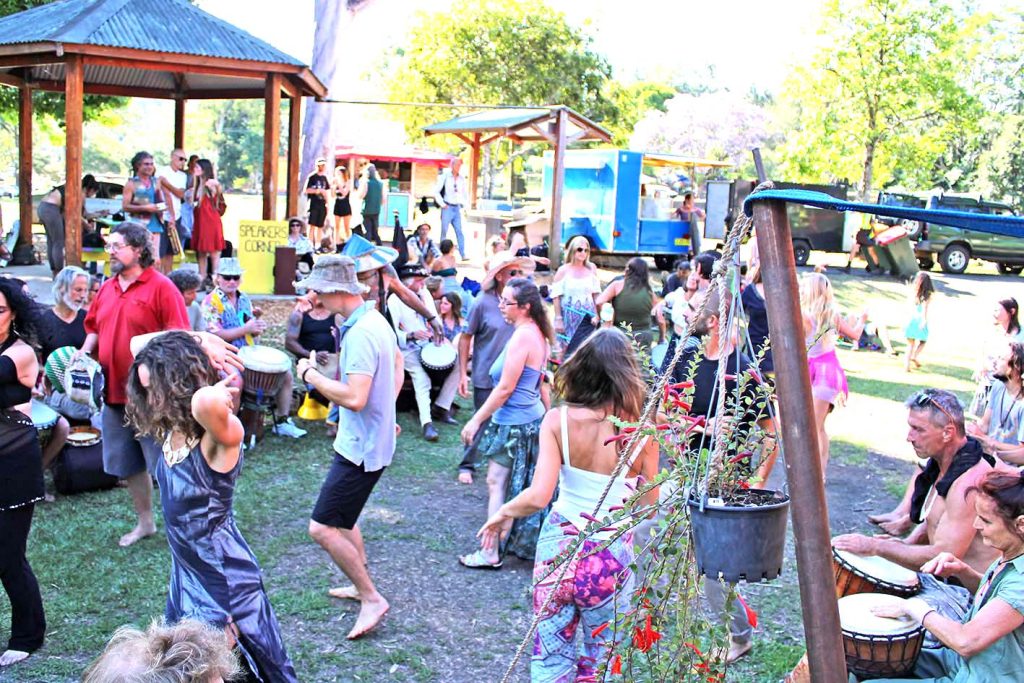
What began in 1976 continues as a living expression of that original idea: a place where people can come together, share what they have made and grown, support local businesses and enjoy being part of something local.
The story that began with a simple community market is ultimately a story about the power of people coming together. It is a reminder that communities can shape the future of the places they call home, and that sometimes, the most important movements begin in the most ordinary of places.
Come and join us on Sunday 11th October, between 9am and 3pm, and help celebrate our anniversary.