Gazing over the wide expanse of South Australia to the West, imagining the day(s) of the nuclear blasts.
Those First Nations people residing unprotected in the Region reportedly felt the impacts physically and mentally. Sickness and fear.
First the white cloud, then the black mist creeping through the sandhills, through country. Some died in the aftermath. Sickness, skin sores, headaches, blindness followed. Some lived longer and died from cancer later. Thyroid sickness, interruptions to pregnancies, all kinds of illness are reportedly still happening there.
The water no longer drinkable, the ground not to be slept upon, no more hunting. The blast(s)’ impacts spread far and wide, as far away as Cootamundra, 1500km to the east. In the Cootamundra Museum there is a record of the red radioactive dust cloud which engulfed the town on 22nd October 1953.
We have been in the Flinders Ranges with the people of the 29th gathering of the Australian Nuclear Free Alliance (ANFA).
We hear the stories of affected people from Maralinga, people from Hiroshima and the Pacific Islands, messages from Mexico.
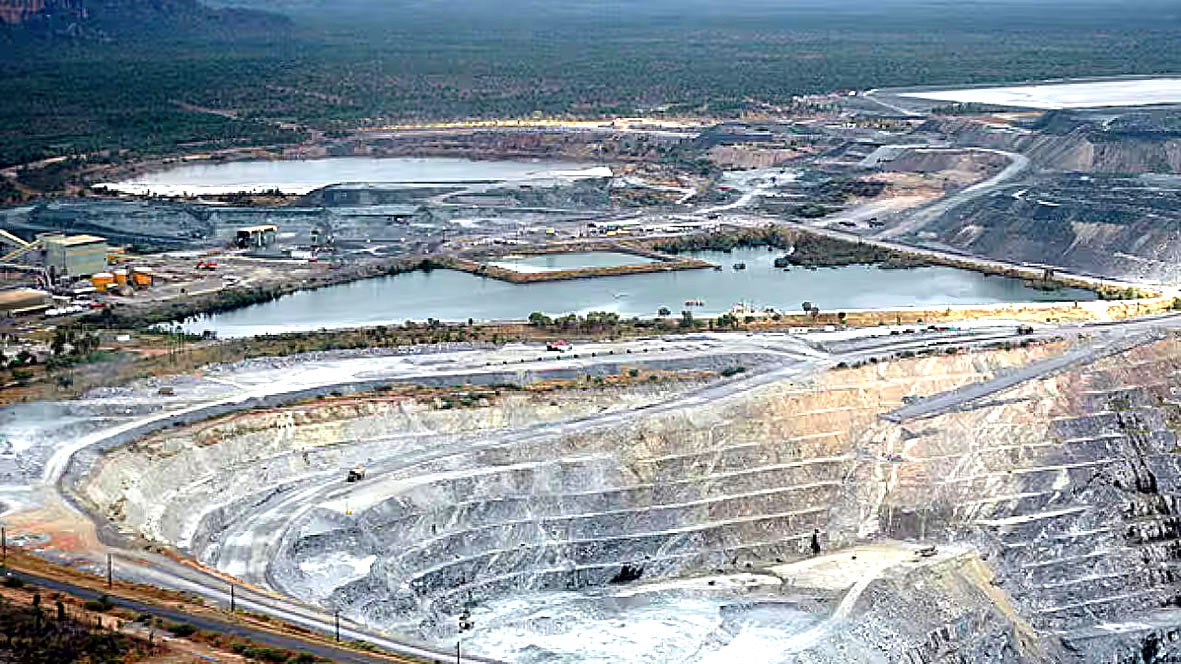
Between there and here lies the very large source of Uranium at Roxby Downs (aka Olympic Dam). These days it is seen as a major source of royalties, jobs and copper, feeding the coffers of government and industry, lining peoples’ pockets and abetting the nuclear fuel cycle.
While the contamination from a blast is so evident, it is more subtle with mining; it still moves via radioactive dust particulates on the wind and through the water, but it is difficult to detect and differentiate from other cancer-causing sources of contamination.
A hastily re-worked Roxby Downs Indenture Amendment Bill 2026 has recently been passed with no consultation time nor opportunity to review the changes and conditions that have occurred since 1982. This new legislation gives Roxby Downs a security of tenure until 2080.
The Special Mining Lease has now been extended to include a potentially larger-scale operation at Oak Dam. While the original Indenture had clauses for the project’s renewal and oversight, these now have been circumvented.
The military zone to the South (the Woomera Prohibited Area) keeps its gates shut and its communication with the public sparse.
What we do know is that the area has been used to upgrade weapons testing for land-based missile launch from Australia.
It may well be a future repository for nuclear waste from AUKUS, including deep high-level waste disposal tied into the contractual arrangements with US and UK.
An AUKUS Public Enquiry has been taking submissions until 1st September. See: aukuspublicenquiry.com
Civil ‘private industry’ rocket tests are being conducted around Ceduna; rockets launched in sacred, environmentally ‘protected’ country, with no permission nor care for people or country. Clandestine agreements tied with military. More than 20 further test launches are scheduled before 2028, involving take-off and re-entry, scattering toxic payload, waste and debris across the landscape. See: westmalleeprotection@gmail.com
Peace walk
The Peace Walk against AUKUS has begun from Port Augusta to Port Adelaide, highlighting the nuclear/military connection: AUKUS bases in Fremantle, Osborne SA and Wollongong.
All people can join the Peace Walk if they choose to support the resistance. It will conclude at Port Adelaide on 21st September, which is the International Day of Peace. Contact: peacewalkersagainstaukus@protonmail.com
Non-Proliferation Treaty
The world-wide 100 signatories to the Nuclear Non-Proliferation Treaty will meet in New York. So far Australia is not a signatory, and will not be there. We are a non-nuclear country with an increasing exposure to the nuclear industry. Call on the Australian Government to sign this vital Treaty.
There are many people working with great intent to keep Australia nuclear free. It has been a long road and despite many failures there have also been successes: four radioactive waste dumps stopped and Jabiluka saved.
All with an honest attempt to keep the contamination of the nuclear industry from our lives.