The Minns Labor Government pressed go on their plan to bring gas fracking back to NSW at the end of April, and to try and attract Santos and friends to the table.
Labor decided to reduce the cost of gas exploration licences by 98% – another government hand out to the corporate fossil fuel industry.
When I asked the Minister for Resources in Parliament about fracking in May, she refused to rule it out, because she knows this is exactly what the Government has put back on the table.
The areas that Labor is trying to attract gas companies to, have been assessed before. Those earlier assessments show that fracking is an inevitable consequence for the Government wanting to extract gas there.
Labor have opened up the Bancannia and Pondie Range Troughs, recharge areas for the Great Artesian Basin in western NSW, but the toxic gas fracking industry impacts all of us.
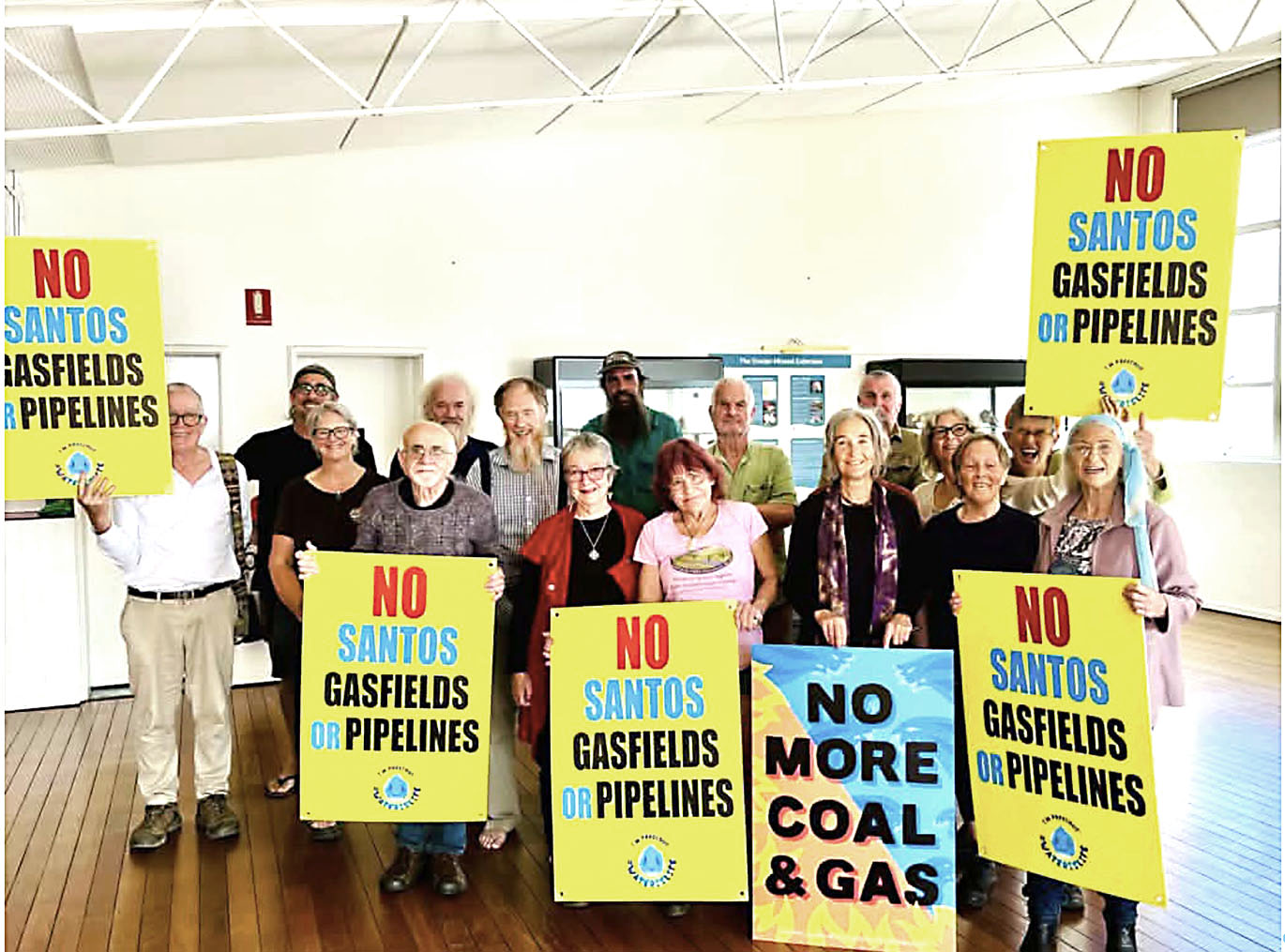
Here at home, we are all too familiar with the stress of fighting back against invasive gas fields and fracking, and the last time the Government of the day sold our water and lands to gas corporations it cost $25 million to buy back the licences.
We’re the lucky ones; we are part of a strong and sizeable regional community that used our numbers and influence to make it clear that we reject the destruction of our water table for short-term and short-sighted fossil fuel exploitation.
Unfortunately, the communities of these areas in western NSW are small, the distance between us and them makes it tempting to believe that this is a remote issue – but it’s not.
The climate and extinction crises that we are fighting against are the same crises that will be put into overdrive if Labor’s plan for fracking and more gas is allowed back anywhere in NSW.
Five years ago, when these areas were last assessed, 47 threatened plant species and 87 threatened animal species were within the impacted area – including three species that are listed as critically endangered under the law – the Pink Velvet Bush, Red-lored Whistler and Desert Mouse.
That same assessment noted the significant contribution to climate change resulting from both direct and indirect emissions resulting from any gas project in these areas. Disturbingly, buried in the Government’s rationale for supporting more gas is the justification that if we don’t frack for gas, then someone else will – a ludicrous and dangerous perspective.
These western areas are also part of the Dreaming stories of the Barkandji People, with living cultural sites at direct threat from any fracking of the land. The cultural harm and genocide committed by colonial Australia should be a thing of the past, but this Labor proposal reminds us that First Nations people are still in a war for their survival.
The better policy direction is already available to the Government, with independent modelling showing that NSW can reduce gas use by 52% by 2035, and that gas use in NSW is already declining. That same modelling identifies a 17% fall in gas use since 2020 and an average decline of 2.9% each y ear over the last decade, largely without the benefit of clear Government targets.
We can reduce gas demand, lower costs for households and industry, support electrification, protect manufacturing jobs through transition planning, and avoid further pressure on sensitive landscapes – we can do all of this by rejecting further pursuit of fracking for gas. It’s a win-win, and somehow something that the NSW Labor party won’t do. It’s mind-blowingly stupid.
See also The Kyogle Environment Group’s article on page 13.