
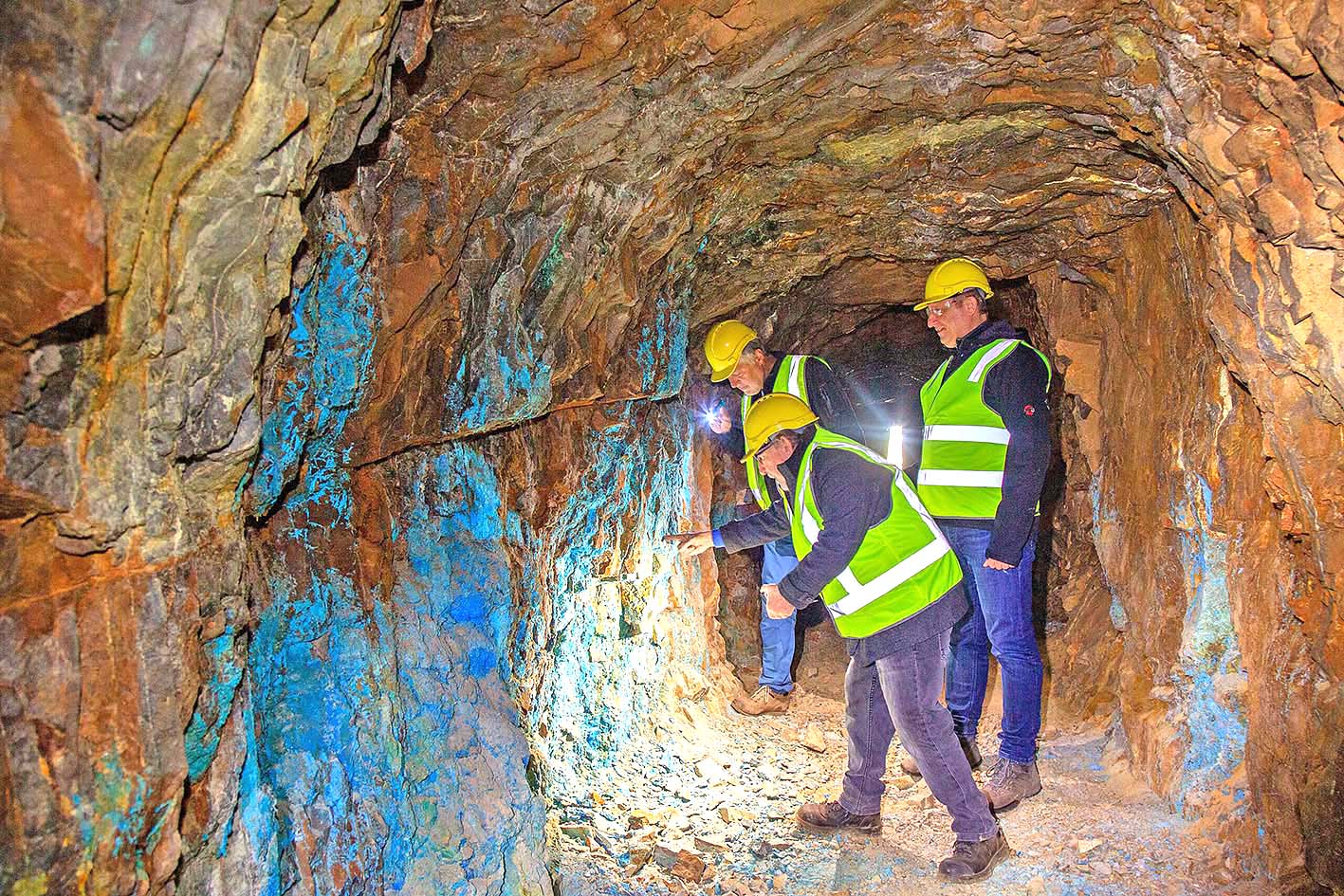
Few of us know that tin is one of the fastest growing rare-earth mineral commodities in 2025, outstripping lithium, cobalt, silver and graphite.
Demand for electronics and EVs, all of which use tin solder (48% of the global tin market) is fuelling the boom.
Myanmar and Malaysia’s recent blanket-ban on tin mining (due to environmental toxicity in waterways and on agricultural land), has tin prices sky-rocketing and as global reserves dwindle, there is a perfect storm brewing.
With bipartisan support from State and Federal governments, First Tin’s tin mine at Taronga plans to come on-line at Emmaville, north-west of Glen Innes, in 2027.
Recent Federal government reforms to The Environmental Protection & Biodiversity Conservation (EPBC) Act will fast-track critical mineral extraction, by-passing important environmental protections and safeguards, and it speaks volumes to the current situation.
As it stands, the Environmental Protection Authority, NSW Department of Climate Change, Energy, the Environment and Water, Heritage NSW and the Department of Primary Industries and Regional Planning state the project doesn’t address the issues of water, monitoring, locations of tailing areas, mitigation of dust or heritage evaluation. Insufficient information is available for these agencies to make recommendations or apply approvals.
Still, this mine plans to be active in 2027.
Taronga Tin Mine landholdings (700 hectares) are on the southern reach of the Beardy River, which is a major head-water tributary flowing into the Murray-Darling Basin via several large river systems.
There are two deep, open-cut pits, approximately 2.6 km long strike, up to 260m wide and 150m-190m deep, covering approximately 52 hectares collectively. They will be operating 24 hours a day, 7 days a week for up to 10 years.
The disturbance footprint of the project is approximately 315 hectares. Further tin extraction points are proposed all around the sleepy historic village of Emmaville, to form a ‘hub and spoke’ approach, meaning this project is likely to turn the area into a vast tin mining district.
I know the Beardy River area well, because my family spent a lot of time at a community called Omshalom, during my childhood. This 3000-acre property sits neatly along the Beardy’s green, grassy banks and surrounding granite ridge lines at the far west of the Torrington Plateau.
Long-term locals may remember Omshalom for its wild people living off-grid, huge tipi lodges dotted across the landscape, its gorgeous river and excellent crystal hunting.
As kids, we would dig amongst the granite for native rock carrots, munching them for snacks as we marched up the ridge to the ‘crystal mine’. This mine wasn’t originally for crystal hunting. It comprised of a few blast holes in rocky outcrops created by pioneers a hundred years ago. They were searching for tin.
Taronga is little more than 20kms away as the crow flies.
To say that water is a premium on the Granite Belt is a vast understatement. Unfortunately, tin mining is notoriously water-dependant. Dust suppression and extraction use copious water.
First Tin claims they’ll source and recycle water sourced at Taronga, but can’t confirm where the reservoirs are, or their capacity. Maps freely available on the project proposal don’t indicate any water reserves onsite, so where do they plan to get the water?
Tin isn’t toxic, but the by-products created during the mining process certainly are. Tailings and dust plumes can contain arsenic, lead, zinc, copper, chromium, cadmium, nickel and manganese, as well as radioactive materials.
Processing can leave behind sulphuric acid, cyanide, and petroleum byproducts. Acid and metalliferous drainage can occur when certain metal-rich rocks react with oxygen, which is a serious environmental concern.
Submissions against the mine opened on 7th October and were closed on 4th November last year, but no residents downstream on the Beardy River were given notice of the proposal.
Considering the northern mine proposal is two kilometres away from the Beardy River, this is a gross oversight by First Tin.
Information on the NSW government planning portal is confusing and hard to decipher, meaning for those who did receive notice, gleaning the correct picture out of the documents is complicated. The relevant information is only available on-line, creating further inequity for rural and remote stakeholders.
Perhaps First Tin are confident that fulfilling the recommendations set down by EPBC won’t be required at all; and without environmental monitoring, what hope does Omshalom, or any of the farming communities downstream, have of recourse or responsible, monitored mining activities?
My heart sinks for that beautiful land that grew me up. What really scares me is what this project means for critical resource mining regionally; because if environmental concerns aren’t properly considered when it comes to mining and extraction at Taronga, it sets a precedent for future projects throughout NSW.
The big question is, with so many critical minerals project beginning to come on-line in NSW, will there be enough people asking the important questions to safeguard the environmental integrity of the region’s precious water and land?
Further reading about this project can be found at: www.planningportal.nsw.gov.au/major-projects/projects/taronga-tin-mine and at: https://epbcpublicportal.environment.gov.au/all-referrals/project-referral-summary/?id=92f02be2-ba65-f011-bec3-000d3aca90600